



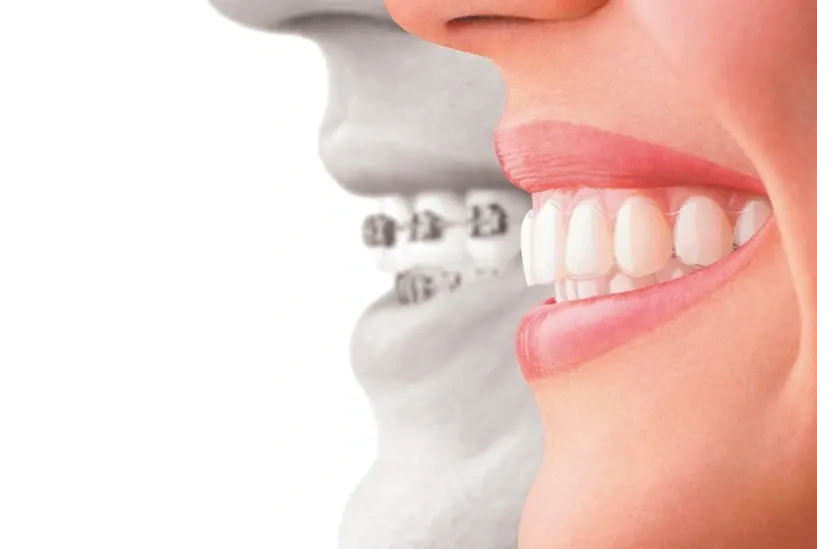
If you’ve got a tough bite or serious crowding, you’ve probably wondered whether clear aligners can really handle it. When the stakes are high, the treatment choice matters. You want results that last. And you deserve to know whether clear aligners can actually deliver for your specific situation, or if traditional braces are the better path forward.
The honest answer? It depends on your case. Modern clear aligners have come a long way, and they can now handle many situations that would have required braces just a few years ago. But some tough orthodontic issues still respond better to the precision that fixed braces provide.
Let’s break down what makes a case challenging, how each approach works, and what the research actually shows about effectiveness.
What Makes an Orthodontic Case Challenging?
A challenging orthodontic case goes beyond simple straightening. It involves significant bite or alignment issues, such as severe crowding, open bites, deep overbites, crossbites, or skeletal discrepancies. These cases require extended treatment and precise tooth movement, along with careful planning and experienced clinical judgment.
At VanLaecken Orthodontics in Sioux Falls, South Dakota, our doctors evaluate each of these factors before recommending a treatment path.
Common characteristics of challenging cases include:
- Severe crowding where teeth overlap significantly or are rotated
- Open bites where front teeth don’t touch when back teeth are closed
- Deep overbites where upper teeth cover lower teeth excessively
- Crossbites where upper and lower teeth don’t align properly from side to side
- Skeletal discrepancies where the upper and lower jaws are different sizes or positioned incorrectly
Doctors also classify bite issues using malocclusion categories. A Class II malocclusion means your lower jaw sits further back than ideal, what many people call an “overbite.” A Class III malocclusion is the opposite, where the lower jaw protrudes forward.
You can’t determine case severity on your own. What looks minor in the mirror might involve root positions, bone density, or jaw relationships that only clinical examination and imaging can reveal. That’s why a board-certified doctor should evaluate any case before recommending treatment.
Both braces and clear aligners have evolved significantly. Attachments, elastics, and advanced treatment planning software have expanded what aligners can accomplish. The starting point is always a thorough evaluation of your specific needs.
How Clear Aligners and Traditional Braces Move Teeth Differently
Understanding how each system works helps explain why one might be better suited for certain movements. The mechanics are genuinely different, and those differences matter when your case involves more than minor alignment corrections.
How Traditional Braces Apply Force
Braces use fixed brackets bonded to each tooth, connected by archwires. Your doctor can adjust wire thickness, shape, and tension to control exactly how each tooth moves. Brackets stay on 24 hours a day, applying constant force.
This setup excels at:
- Moving roots and crowns together (bodily movement)
- Rotating teeth precisely
- Pulling teeth down (extrusion) or pushing them up (intrusion)
- Correcting significant vertical issues
Because everything is fixed in place, braces work whether you’re sleeping, eating, or going about your day. There’s no compliance factor. The force is always there.
How Clear Aligners Move Teeth
Clear aligners work differently. You wear a series of custom thermoplastic trays, each slightly different from the last. Every tray moves teeth incrementally toward the planned final position.
Modern aligners rely on a few key features. Attachments are small tooth-colored bumps bonded to teeth that give aligners something to grip. Aligners also use elastics, rubber bands connecting upper and lower trays to correct bite relationships. And precision cuts, which are notches in the aligners, accommodate elastic wear for bite correction.
These additions have dramatically expanded what aligners can do. But there’s a catch: aligners only work when you wear them. The standard recommendation is 20-22 hours daily. Take them out too often, and teeth don’t move as planned.
Treatment planning software at VanLaecken Orthodontics in South Dakota uses advanced algorithms to stage movements precisely. Each tooth’s path is mapped out before you start. This predictability is a real strength, but it also means inconsistent wear can throw off results.
Benefits of Each Approach for Challenging Orthodontic Cases
Both braces and clear aligners offer distinct advantages for tougher orthodontic cases. The right choice depends on which benefits matter most for your situation.
Traditional Braces Strengths
The main advantages of traditional braces for challenging cases include:
- Bodily tooth movement, moving the entire tooth, root and all, in one direction
- Torque control that adjusts the angle of roots within the bone. This is something aligners still struggle to replicate consistently.
- Large vertical corrections, significant intrusion or extrusion of teeth
- Zero compliance requirement, since they work around the clock without patient action
- Your doctor makes real-time adjustments at each visit, responding to how teeth are actually moving
For severe skeletal issues or cases requiring substantial root movement, braces remain the most reliable and proven choice.
Clear Aligner Strengths
The main advantages of clear aligners include:
- They’re nearly invisible when worn, making treatment discreet for adults and teens who care about aesthetics
- Comfort, smooth plastic causes less irritation than brackets and wires
- Removable trays allow normal brushing and flossing, which makes oral hygiene much easier throughout treatment
- Remote monitoring compatibility allows check-ins from home using dental monitoring technology
- Predictable staging, computer-planned movements show expected results before treatment starts
Many adults prefer aligners because they can remove them for important meetings, photos, or special occasions. That flexibility is a real draw.
The Hybrid Approach
Some cases benefit from using both systems. You might start with braces to accomplish the toughest movements, then transition to aligners for refinement and finishing. Our doctors at VanLaecken Orthodontics in Sioux Falls frequently use this combined approach for people with demanding cases, combining the precision of braces with the comfort and aesthetics of aligners during the final phase.
Clear Aligners vs. Traditional Braces: Effectiveness in Challenging Cases
So, are clear aligners as effective as traditional braces for tough cases? Let’s look at what research actually tells us about outcomes.
What the Evidence Shows
For mild-to-moderate severity, studies consistently show comparable results between aligners and braces. According to the American Association of Orthodontists, clear aligners can effectively treat many of the same conditions as traditional braces when cases are properly selected. A 2020 systematic review published in the Journal of Clinical Medicine also concluded that aligners achieved comparable outcomes to braces for mild-to-moderate malocclusions, though braces showed advantages for more demanding tooth movements.
Effectiveness varies by movement type, though. Research in orthodontic literature indicates that aligner predictability tends to drop for larger per-stage movements. The AAO has noted that while aligner technology continues to improve, certain tooth movements remain more predictable with fixed appliances. Here’s how the two approaches generally compare:
| Movement Type | Braces Effectiveness | Aligner Effectiveness |
|---|---|---|
| Mild-moderate crowding | Excellent | Excellent |
| Rotation of round teeth | Excellent | Good with attachments |
| Rotation of canines | Excellent | Moderate, often needs refinement |
| Intrusion (pushing teeth up) | Excellent | Good for anterior teeth |
| Extrusion (pulling teeth down) | Excellent | Challenging, may need elastics |
| Bodily movement of molars | Excellent | Moderate |
| Open bite closure | Excellent | Improved with elastics |
| Severe skeletal discrepancy | Good (may need surgery) | Limited |
Ratings reflect general clinical consensus and published literature; individual results vary by case and provider experience.
How Refinements Affect Treatment
One difference worth noting: tougher aligner cases often require refinement trays. After the initial set of aligners, your doctor may order additional trays to fine-tune results. This isn’t a failure. It’s built into how aligner treatment works for harder cases.
With braces, adjustments happen continuously at each visit. With aligners, refinements come in batches. Both approaches can achieve excellent final results. They just get there differently.
Why the Provider Matters
Here’s a critical point: outcomes depend heavily on who plans and monitors your treatment. At VanLaecken Orthodontics in South Dakota, Dr. Ryan K. VanLaecken is a diplomate of the American Board of Orthodontics, having demonstrated advanced expertise through rigorous examination. The full team, including Dr. Rob S. VanLaecken and Dr. Nate T. VanLaecken, each hold DDS and MS credentials in orthodontics. This depth of training matters most for challenging cases where treatment planning decisions significantly impact results.
The doctors at VanLaecken Orthodontics can determine which approach, or combination of approaches, will work best for your specific situation.
Cost Factors: Aligners vs. Braces for Challenging Treatment
For most challenging orthodontic cases, braces and clear aligners fall within a similar price range. The total cost depends more on how long treatment takes and how involved your case is than on which appliance you choose. Here’s what drives the numbers.
Treatment duration drives cost. A case requiring 24 months of treatment involves more visits, more materials, and more professional time than one finished in 12 months. Tougher cases simply take longer.
Refinements may extend aligner treatment but don’t always add cost. Many aligner programs include refinement trays in the original fee. Ask about this during your initial evaluation.
Insurance typically covers both equally. Most orthodontic benefits apply the same lifetime maximum whether you choose braces or aligners. The coverage amount depends on your specific plan, not the appliance type.
Retention needs are similar. Both braces and aligners require retainers after active treatment. This cost is usually included in treatment fees at VanLaecken Orthodontics.
The only way to know actual costs for your case is through a personalized evaluation. VanLaecken Orthodontics offers free consults that include a thorough examination and clear explanation of treatment and fees. Flexible payment structures help make treatment accessible regardless of which approach you choose.
Who Is a Good Candidate for Clear Aligners in Challenging Cases?
Not everyone with a tough case should choose aligners, but many can achieve excellent results with them. Here’s how to think about candidacy.
Ideal Candidates for Aligner Treatment
- Compliant adults and teens who will reliably wear aligners 20-22 hours daily
- Those with moderate severity involving crowding, spacing, or bite issues addressable with attachments and elastics
- Those with healthy gums and adequate tooth structure for attachment bonding
- People who prioritize aesthetics and are willing to commit to consistent wear
Cases That May Still Require Braces
- Impacted teeth that need to be pulled into position
- Significant jaw discrepancies requiring substantial skeletal change
- Severe rotations of certain teeth, particularly premolars
- Young people who may struggle with compliance
Why Direct-to-Consumer Aligners Fall Short for Tough Cases
For challenging cases, direct-to-consumer aligner companies are not appropriate. These services skip in-person examination, which means they can miss serious issues requiring professional oversight. Treatment like this needs a doctor who sees you in person, takes X-rays, and monitors progress over time. For challenging cases specifically, working with a practice that has board-certified specialists gives you confidence that your treatment plan accounts for every variable.
Combining Both Approaches
Some people begin with braces for the most challenging movements, then switch to aligners for the finishing phase. Your doctor can determine during your initial evaluation whether a phased approach makes sense for your specific bite and alignment goals.
Frequently Asked Questions About Aligners vs. Braces for Tough Cases
Can Invisalign fix severe crowding?
Modern Invisalign clear aligners with attachments can address significant crowding effectively in many cases. Extreme crowding, especially cases requiring tooth extraction, may achieve better results with braces. Your doctor can show you projected outcomes for both options during your evaluation.
How long do tough cases take with aligners vs. braces?
Most challenging cases require 18-30 months regardless of appliance choice. Treatment duration depends more on the severity of your specific issues than on whether you choose aligners or braces. Overall treatment time is usually similar for both options.
Are direct-to-consumer aligners safe for tough cases?
No. Direct-to-consumer aligners lack the professional oversight necessary for demanding treatment. These companies don’t take X-rays, don’t examine your teeth and gums in person, and can’t adjust treatment when issues arise. For anything beyond minor cosmetic alignment, specialist supervision is essential.
Can you switch from aligners to braces mid-treatment?
Yes, doctors can modify treatment plans based on how your teeth respond. If aligners aren’t achieving expected movement, switching to braces, or adding temporary braces for specific teeth, is a reasonable option. This flexibility is one advantage of working with an experienced orthodontic practice like VanLaecken Orthodontics in Sioux Falls, South Dakota.
Do aligners work for open bites?
Yes, modern aligners with elastics show improved results for open bite correction. This was once considered a significant limitation of aligner treatment, but attachment and elastic protocols have changed that. Severe open bites may still benefit from braces, though many open bite cases now achieve excellent outcomes with clear aligners.
How do I know which option is right for my case?
The only way to know for certain is through a professional evaluation. During a free consult at VanLaecken Orthodontics, your doctor will examine your teeth, review imaging, and discuss your goals. You’ll receive a clear recommendation based on what will actually work best for your specific situation. Your case is unique, and your doctor needs to see the full picture, including types of braces and aligner options, before making a recommendation.