



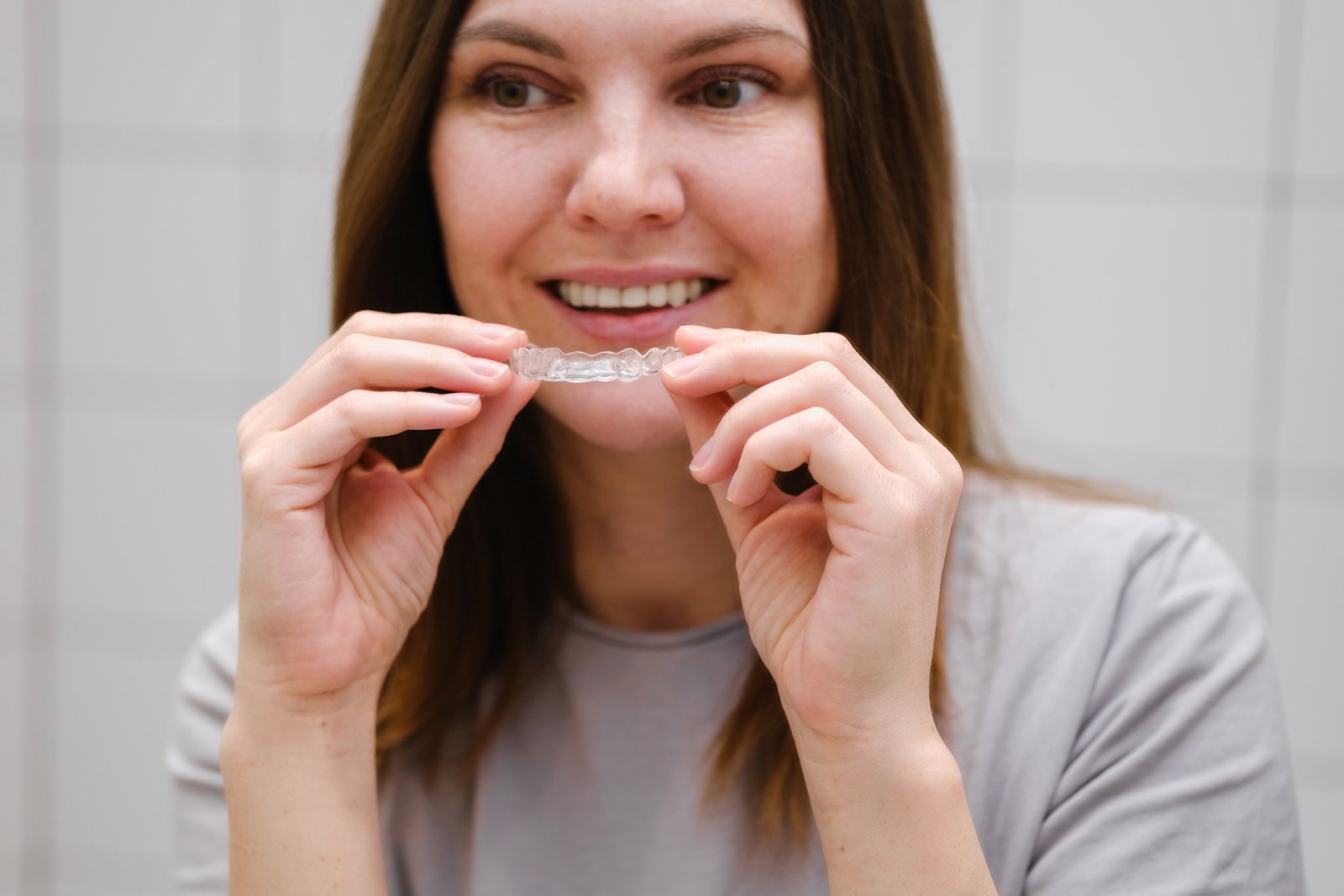
If you’re considering clear aligners, you’ve probably typed “does Invisalign hurt” into a search bar at least once. The honest answer is that most patients feel pressure rather than pain, and that pressure is actually a sign the aligners are doing their job. At VanLaecken Orthodontics, we walk every patient through what to expect before treatment starts, so there are no surprises once you snap in your first tray.
Why Aligner Pressure Happens in the First Place
Orthodontic movement, whether with braces or aligners, works by applying steady, controlled force to your teeth. That force encourages the bone and ligaments around each tooth to remodel slowly, allowing the tooth to shift into a new position. With Invisalign clear aligners, that force comes from the custom-fitted plastic trays themselves rather than metal brackets and wires.
Because each new set of aligners is designed to move your teeth just a small amount, the pressure you feel is intentional and measured. It is not a sign that something is wrong. In fact, if you switched to a new tray and felt absolutely nothing, your orthodontist might want to double-check that the aligner fits properly and is actually engaging the teeth it’s meant to move.
This is one of the most common questions patients ask during their initial consultation, and it’s worth understanding early, since knowing what’s normal helps you relax into the process instead of worrying every time you feel a little tightness.
Does Invisalign Hurt More Than Braces?
Patients who have had both often say clear aligners feel gentler overall, though everyone’s experience is a little different. Traditional braces apply continuous force through wires that are tightened at each adjustment visit, and that adjustment day soreness can last a few days. Aligners, on the other hand, are changed more frequently (often every one to two weeks) but each individual tray moves your teeth a smaller distance.
So while you may notice pressure more often with aligners since you’re switching trays regularly, the intensity tends to be milder than the ache that follows a braces tightening appointment. There’s also no concern about wires poking your cheeks or brackets irritating your lips, which is a common source of discomfort with traditional braces, especially in the first few weeks.
To fully understand how the system works and why the pressure pattern differs from braces, it helps to review what Invisalign treatment actually involves from start to finish, including how trays are designed and sequenced.
What Aligner Pressure Actually Feels Like
Most patients describe the sensation in fairly consistent terms. Understanding these descriptions ahead of time can make the first few days with a new tray feel far less unfamiliar.
- Tightness or snugness: A new aligner may feel like it’s gripping your teeth firmly, especially in the first 24 to 48 hours.
- Dull, achy pressure: Similar to a mild soreness, often centered around the specific teeth being moved that week.
- Tenderness when biting down: Some patients notice slight sensitivity when chewing firmer foods right after switching trays.
- A “new” feeling in your mouth: Even without pain, many people notice their bite feels different for a day or two as their mouth adjusts.
These sensations typically peak within the first one to three days of wearing a new aligner and then fade noticeably as your teeth adjust to the new position. By the time your next tray is due, most patients report feeling completely comfortable with the current one.
Timeline: When Discomfort Is Strongest and When It Fades
Understanding the general pattern of aligner pressure can help you plan around it, especially if you have an important event coming up.
In the first two to three days after inserting a new tray, pressure tends to be at its most noticeable. This is when the aligner is actively encouraging movement, and your periodontal ligament is responding to that force. Many patients find it most convenient to switch to a new aligner in the evening, so the initial adjustment period happens overnight while they sleep.
By days four through seven, most people report that the sensation has faded to a mild awareness rather than true discomfort. Some patients barely notice anything by this point. Then the cycle repeats with the next tray. Over the course of treatment, many patients say the pressure becomes less noticeable overall as their mouth gets used to the rhythm of switching aligners regularly.
Simple Ways to Manage Aligner Discomfort at Home
You don’t need to just tough it out during those first few days with a new tray. There are several straightforward steps that can make the adjustment period more comfortable.
- Switch trays before bed: This lets the most noticeable pressure occur while you’re asleep rather than during the day.
- Use an over-the-counter pain reliever: If needed, a standard dose of an over-the-counter medication can take the edge off during the first day or two of a new tray.
- Try cold water or a cold compress: Sipping cold water or holding a cold compress against your cheek can help numb mild soreness.
- Stick to softer foods temporarily: Soups, yogurt, and pasta are easier on tender teeth for the first day of a new aligner.
- Keep wearing your aligners consistently: Removing them to “rest” your teeth actually delays progress and can prolong the adjustment feeling because your teeth partially shift back.
Consistency matters more than most patients expect. Aligners are designed to be worn roughly 20 to 22 hours a day, and sticking to that schedule keeps treatment moving forward on the timeline your orthodontist planned.
When Aligner Sensations Might Mean Something Else
While mild pressure is expected, certain sensations are worth mentioning to your orthodontic team rather than waiting them out. Sharp pain, a specific spot that feels rubbed raw, or an aligner edge that feels unusually rough can indicate the tray needs a small adjustment.
Attachments, which are small tooth-colored bumps bonded to certain teeth to help the aligner grip and apply force more precisely, can occasionally feel like a slight texture change against your cheek or tongue at first. This is normal and typically becomes unnoticeable within a few days. However, if an attachment feels sharp or is causing a sore spot that doesn’t improve, it’s easy to have it smoothed at your next visit.
If you’re ever unsure whether what you’re feeling falls into the “normal pressure” category, our team would rather you reach out than worry unnecessarily. We also keep a running list of common concerns on our Invisalign FAQ page, which covers many of the questions patients bring up during treatment.
What to Expect at Your Invisalign Appointments
Invisalign treatment at our Sioux Falls, Brookings, Aberdeen, Watertown, and Milbank offices starts with a consultation where Dr. Rob VanLaecken, Dr. Ryan VanLaecken, or Dr. Nate VanLaecken will evaluate your bite, take digital scans, and discuss whether clear aligners are a good fit for your goals. From there, a custom series of aligners is designed specifically for your smile.
Follow-up appointments are typically spaced several weeks apart and are much shorter than traditional braces adjustments. During these visits, your orthodontist checks how your teeth are tracking with the treatment plan, makes sure attachments are still secure, and provides your next batch of trays. These check-ins are also a good time to mention any discomfort that seems out of the ordinary so it can be addressed quickly.
Frequently Asked Questions
Does Invisalign hurt as much as getting braces tightened?
Generally no. Most patients describe aligner pressure as milder and shorter-lived compared to the soreness that follows a braces adjustment appointment, though individual sensitivity varies.
How long does it take for a new aligner to stop feeling tight?
Most patients notice the tightest sensation during the first one to three days after switching trays, with the feeling fading substantially by the end of the first week.
Can I take a break from wearing my aligners if they hurt?
It’s best not to, since removing your aligners for extended periods can allow teeth to shift back slightly, which may make the next tray feel tighter than it should. If discomfort feels unusual, contact your orthodontic team instead of skipping wear time.
Is it normal for Invisalign attachments to feel uncomfortable?
A little added texture against your cheek or tongue is common right after attachments are placed, but this typically fades within a few days. Ongoing sharpness or irritation should be checked at your next appointment.
Ready to Talk About Invisalign in Person?
Every mouth is a little different, and the best way to understand exactly what your treatment will feel like is to talk with an orthodontist who can look at your specific bite and goals. Our team has helped many patients across Sioux Falls, Brookings, Aberdeen, Watertown, and Milbank feel confident and comfortable throughout their aligner journey.
If you still have questions about pressure, timelines, or whether clear aligners are right for you, we’re happy to walk through it together. You can schedule a consultation with our team by visiting our contact page to find the office location and appointment time that works best for you.