



What Is the Difference Between Invisalign and Other Clear Aligner Brands?
If you’re wondering about the difference between Invisalign and other clear aligner brands, you’re not alone. It’s one of the most common questions people ask when they start thinking about straightening their teeth. The short answer: Invisalign differs from other brands in four key areas, including its patented SmartTrack material, in-office doctor supervision, SmartForce attachment system, and ability to treat mild to involved cases. Those differences matter more than most people realize.
As a top 1% Invisalign provider in South Dakota, VanLaecken Orthodontics helps people understand these differences every day. Our doctors have worked with thousands of Invisalign cases and have seen firsthand how material, supervision, and technology affect results.
What Are Clear Aligners and How Do They Differ by Brand?
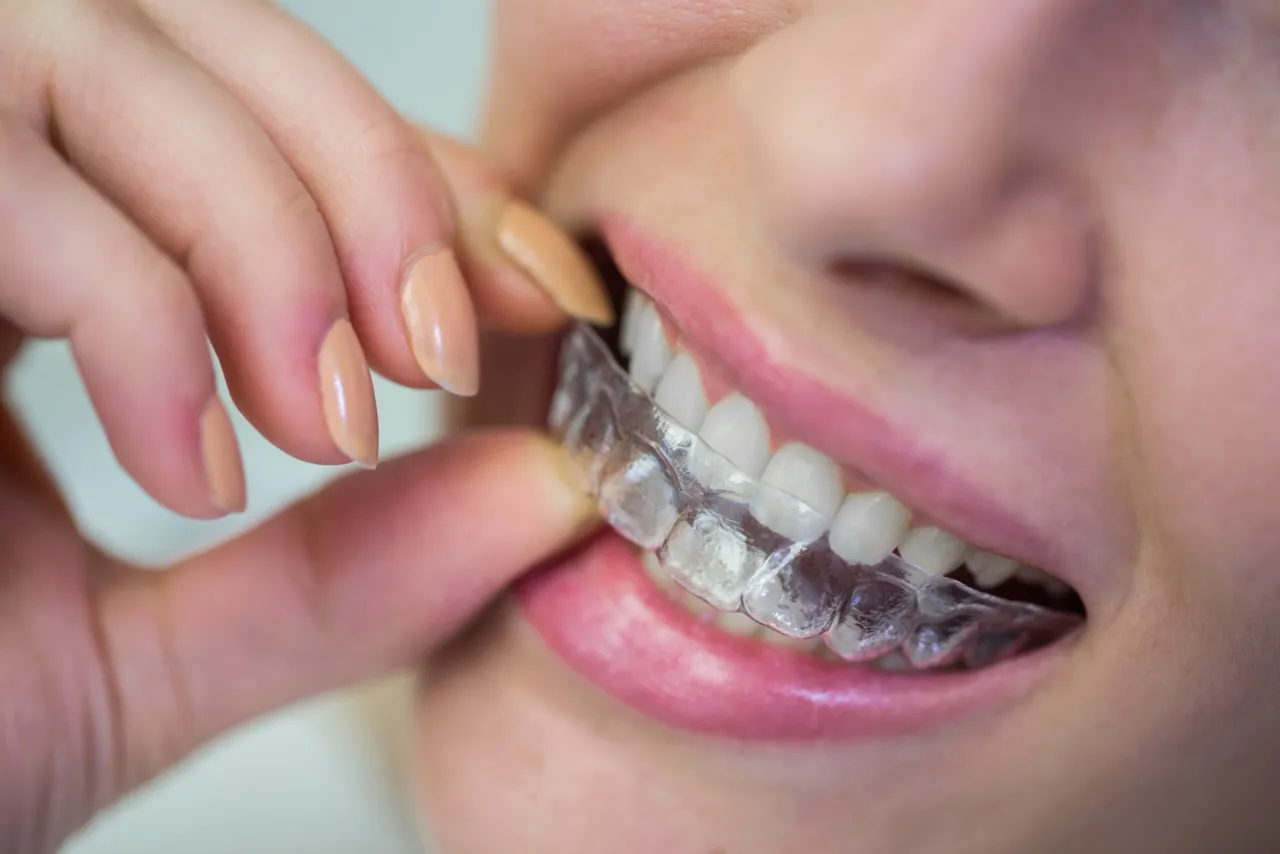
Clear aligners are removable trays made from transparent plastic that gradually shift your teeth into proper alignment. You wear each set of trays for about one to two weeks before moving to the next set in your series. The result? Straighter teeth without metal brackets or wires.
Align Technology was founded in 1997, and Invisalign received FDA clearance in 1998. Since then, according to Align Technology, they’ve treated over 17 million people worldwide. The company also holds over 1,000 patents related to clear aligner technology. That’s a significant head start over every other brand on the market.
But Invisalign isn’t the only option anymore. You’ve probably seen ads for Byte, CandidPro, SureSmile, and 3M Clarity. Each brand takes a different approach to straightening teeth. Understanding what separates them can help you make a smarter decision about your own smile.
Here’s what actually sets them apart:
- Material composition: The plastic used varies significantly between brands
- Supervision model: Some require regular doctor visits, others ship aligners to your door
- Case complexity: Not every brand can handle tough bite corrections
- Technology: Digital planning tools and attachment systems differ widely
The most important distinction? Whether a trained doctor guides your treatment or you’re essentially going it alone. This single factor affects everything from your results to your safety.
How Does Invisalign Work Compared to Other Clear Aligner Systems?
Invisalign works by using 3D ClinCheck software to map every tooth movement, then delivering custom SmartTrack aligners worn in sequence. Unlike at-home brands, treatment includes SmartForce attachments and regular in-office monitoring for precise, predictable results. Here’s how the process breaks down.
Your doctor starts with a digital scan of your teeth. At VanLaecken Orthodontics, our doctors use proprietary ClinCheck software to plan every single tooth movement from start to finish. You can actually see your projected results before treatment begins.
The aligners themselves are made from SmartTrack material. This isn’t generic plastic. Align Technology engineered SmartTrack specifically to deliver controlled, consistent force to your teeth. It’s more flexible than standard aligner materials, which means better comfort and more predictable movement.
What really makes doctor-directed Invisalign different:
- In-office digital scans replace messy impressions
- SmartForce attachments (small tooth-colored bumps) enable movements that standard trays can’t
- Regular progress checks catch concerns before they derail treatment
- Mid-treatment adjustments keep everything on track
At-home brands work differently. You take impressions yourself using a mail-in kit or visit a scanning center. A dentist reviews your case remotely. Then aligners arrive at your doorstep.
The supervision gap matters. With Invisalign through a doctor, someone monitors your progress in person. They can spot things like teeth not tracking properly or gum inflammation. At-home brands rely on you to notice and reach out.
SmartForce attachments deserve special attention. These small shapes bonded to specific teeth act like handles, giving aligners something to grip. They make movements possible that aligners alone simply can’t achieve. Most at-home brands don’t use them at all.
Benefits of Choosing Invisalign Over Other Clear Aligner Brands
What leads doctors to consistently recommend Invisalign over lower-cost alternatives? The differences go beyond brand recognition.
What Makes SmartTrack Material Superior?
SmartTrack material delivers more predictable tooth movements than generic aligner plastic. According to Align Technology’s clinical research, this translates to better tracking and fewer refinement trays needed. The material itself is more flexible, which means it applies gentler, more consistent force throughout each wear cycle. That consistency is what drives reliable results.
Invisalign trays also have scalloped, comfort-trimmed edges that follow your gumline. Generic aligners often have straight-cut edges that irritate soft tissue. It’s a small detail, but one you’ll notice every day you’re wearing your trays.
Why Does Professional Oversight Matter?
Your doctor catches concerns early. If teeth aren’t moving as planned, they adjust the approach. They’ll also spot gum irritation and address it before it becomes a bigger concern. This real-time course correction is impossible with mail-order aligners.
Invisalign also treats cases other brands simply can’t handle:
- Overbites and underbites
- Open bites
- Significant crowding
- Teeth that need major rotation
- Cases requiring extractions
Many people see noticeable changes within the first few months. Treatment duration varies by case, but straightforward cases can wrap up in as little as six months. A diplomate of the american board of orthodontics who has completed thousands of Invisalign cases knows exactly how to plan treatment for the strongest possible outcome. That kind of expertise makes a real difference in how your smile turns out.
Invisalign vs Other Clear Aligner Brands: A Side-by-Side Comparison
Invisalign leads competing brands in material technology, attachment systems, case complexity range, and included refinements, as shown in this comparison.
Not all clear aligners are created equal. This comparison breaks down the key differences:
| Feature | Invisalign | SureSmile | CandidPro | Byte | NewSmile |
|---|---|---|---|---|---|
| Supervision | In-office doctor | In-office dentist/doctor | In-office dentist | Remote dental team | Remote dental team |
| Material | Patented SmartTrack | Proprietary material | Standard aligner plastic | Standard aligner plastic | Standard aligner plastic |
| Attachments | SmartForce system | Yes | Limited | No | No |
| Case Complexity | Mild to involved | Mild to moderate | Mild to moderate | Mild only | Mild only |
| Refinements | Included | Varies by provider | Limited | Added cost | Added cost |
| Treatment Planning | 3D ClinCheck | Digital planning | Digital planning | AI-assisted | AI-assisted |
What this means for you:
Invisalign remains the only brand using patented SmartTrack material and the full SmartForce attachment system. These represent real technological differences that affect how well your teeth move.
At-home brands like Byte and NewSmile limit themselves to mild crowding and spacing. They openly state they can’t treat bite concerns. If your teeth need more than minor adjustment, these options won’t work.
Doctor-directed brands offer something you won’t get elsewhere: mid-treatment refinements. If your teeth aren’t tracking perfectly, your doctor orders new aligners at no extra charge. Mail-order companies typically charge for any changes to your original plan.
At VanLaecken Orthodontics, the most experienced Invisalign provider in South Dakota, our doctors see these differences play out in real results all the time. The supervision question comes down to this: Do you want a trained specialist monitoring your tooth movement, or are you comfortable managing it yourself?
Cost Differences Between Invisalign and Other Clear Aligners
Invisalign treatment typically ranges from $3,000 to $8,000 depending on case complexity, while at-home aligners range from $1,500 to $2,500. Insurance coverage and hidden correction costs often narrow the gap significantly.
Those lower at-home prices typically exclude professional evaluation of your oral health, X-rays to check root and bone health, and in-person monitoring throughout treatment. You also won’t get refinements if teeth don’t move as planned, or any retention planning after treatment wraps up.
Here’s what many people don’t realize: dental insurance and HSA/FSA benefits often cover doctor-directed clear aligner treatment. The same benefits rarely apply to mail-order aligners. Your out-of-pocket difference might be smaller than you think.
The hidden cost of at-home aligners? Correction. If treatment doesn’t deliver the results you wanted, or worse, creates new concerns, you’ll pay again to fix them. Sometimes that means traditional braces.
VanLaecken Orthodontics also offers low monthly payment plans that make Invisalign accessible without compromising on quality or safety.
Who Is a Good Candidate for Invisalign vs Other Aligners?
Good candidates for Invisalign include teens and adults with mild to involved bite and alignment concerns, including overbites, crowding, and spacing. At-home aligners are limited to mild cases with no bite concerns and healthy gums.
Invisalign works for many different people:
- Kids with developing teeth (Invisalign First)
- Teens who need compliance indicators and room for erupting teeth
- Adults with mild spacing to involved bite concerns
- People who’ve had previous treatment and experienced relapse
At-home aligners only work for mild spacing, minor front-tooth crowding, and cases with no bite concerns and healthy gums and bone.
Signs you need doctor-directed treatment:
- A bite that feels off when you close your teeth
- Teeth that overlap significantly
- Previous results that have shifted
- Grinding or clenching habits
- Any gum disease or bone loss
The only reliable way to know what you need? An evaluation at VanLaecken Orthodontics with a doctor who can take X-rays, examine your bite, and tell you exactly what’s possible.
Frequently Asked Questions About Invisalign vs Other Clear Aligners
Is Invisalign better than other clear aligners?
Invisalign outperforms most clear aligner brands for the majority of people due to its SmartTrack material, SmartForce attachments, and doctor-directed supervision model. Clinical evidence supports better tooth tracking compared to generic aligner materials. The difference becomes especially clear for anything beyond mild crowding.
Can at-home aligners fix an overbite?
No. Bite correction requires precise force application, attachments, and professional monitoring. At-home aligner companies explicitly state they don’t treat bite concerns. Attempting to fix an overbite without proper supervision can actually make things worse or create new concerns with your jaw joint.
How long does Invisalign take compared to other brands?
Invisalign treatment typically takes 6 to 18 months depending on case complexity. At-home brands advertise similar timeframes for the mild cases they treat. Invisalign’s refinement process means your doctor can adjust the plan if needed without extending treatment significantly. At-home brands often require purchasing new aligners separately.
Is Invisalign worth the extra cost?
You’re paying for professional supervision, the ability to treat involved cases, mid-treatment adjustments, and proven material technology. That adds up to real value. If your case is truly mild and you’re comfortable with limited oversight, lower-priced options exist. But for most people, the added investment in Invisalign delivers better results with less risk.
Many families find that insurance coverage and low monthly payment plans make the cost difference manageable.
Do other clear aligners use the same material as Invisalign?
No. SmartTrack is a proprietary material developed and patented by Align Technology. Other brands use various types of dental-grade plastic, but none have access to SmartTrack’s specific formulation. This matters because material properties directly affect how consistently and comfortably teeth move throughout treatment.